.
.
.
Using AI to generate cartoons, I wondered what the robot ChatGPT would say about this:
Me:
I create comedic images with captions using AI to generate the images. On average, do people find comics with realistic photo images more or less funny than cartoon-like traditional cartoons?
ChatGPT
The perceived humor of realistic photo images versus cartoon-like traditional cartoons can vary widely among individuals, as humor is subjective. Different people have different preferences when it comes to comedic styles, and factors such as cultural background, personal experiences, and individual tastes play significant roles in shaping humor preferences.
Some may find realistic photo images more humorous because they can relate to the familiar and everyday situations depicted. On the other hand, others may find cartoon-like traditional cartoons funnier due to the exaggerated and imaginative elements that often characterize this style.
Ultimately, the success of comedic images depends on the context, the quality of the humor, and the audience's preferences. It might be beneficial to experiment with both styles and gather feedback to understand what resonates best with your specific audience.


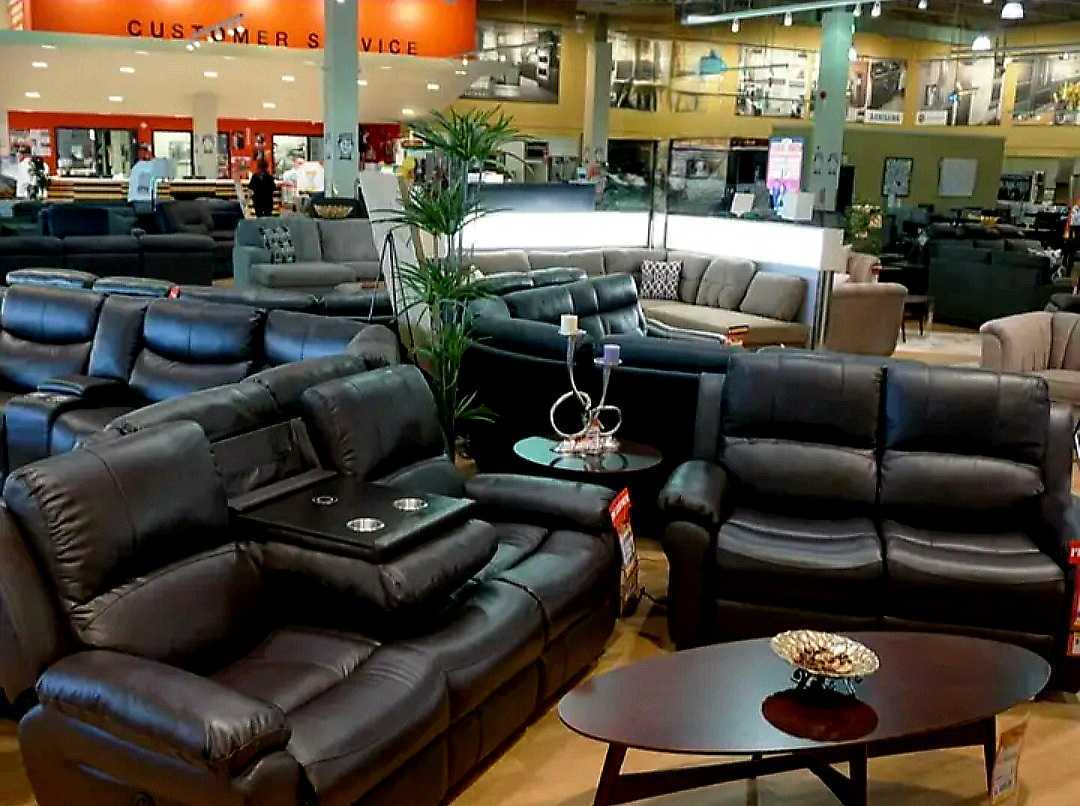
I bought a used, Emerson round screen TV at Bad Boy at Lakeshore and 39th St in Long Branch with Toronto Star paper route money for $25. in 1961-64. (can't remember exactly)
.jpg)
Favorite shows were Twilight zone, Bonanza, My Little Margie, Untouchables, Ed Sullivan. Antenna on the roof received Toronto, Kitchener, Buffalo, sometimes Erie.
Closure: Iconic furniture store has filed for bankruptcy in Ontario
Published November 11, 2023 at 7:51 pm
It’s the end of the road for this 68-year-old furniture chain.
Lastman’s Bad Boy – a proud Canadian company, serving its customers since 1955 is allegedly going out of business.
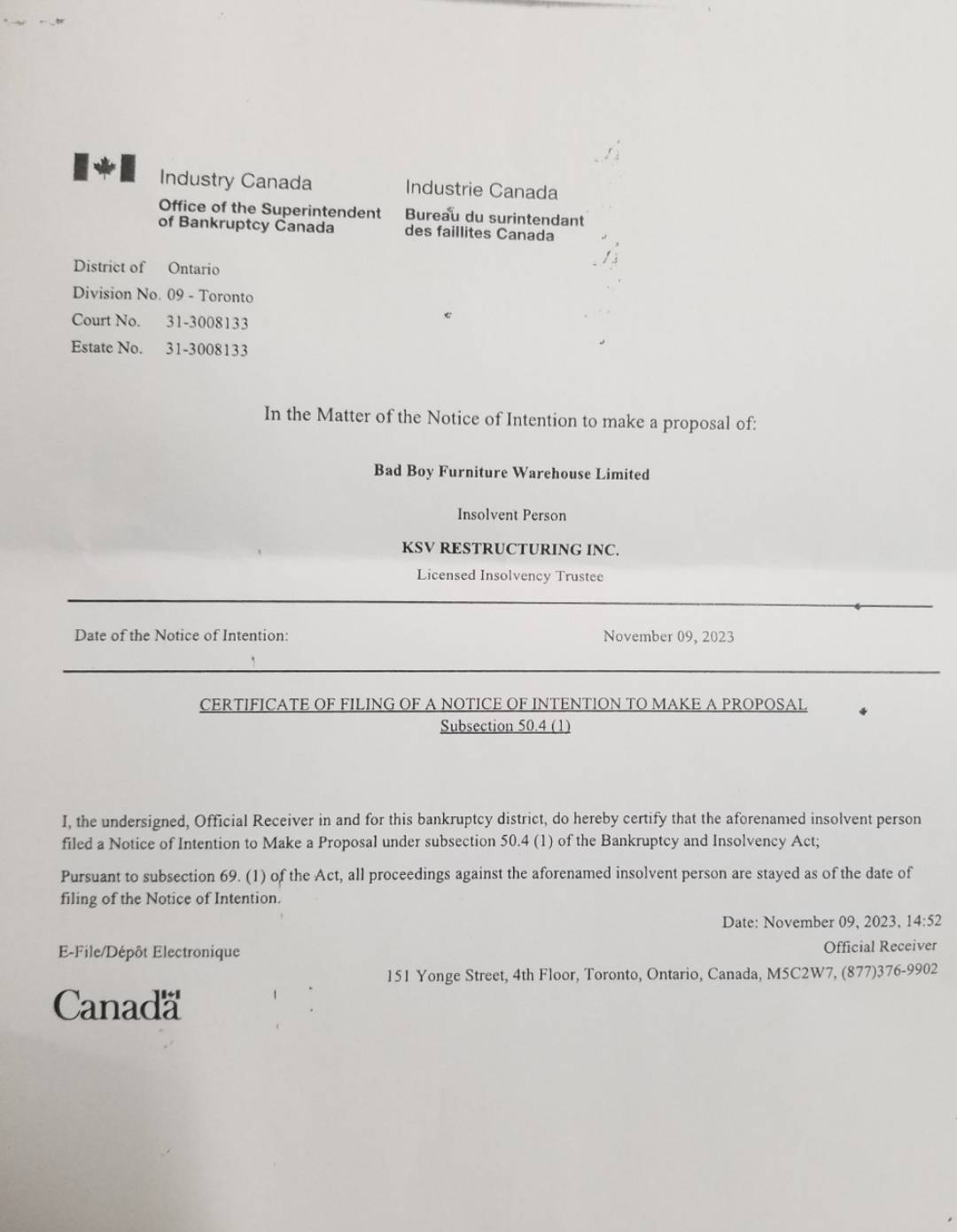
On Monday (Nov. 6) the company made the decision to file a Notice of Intention (NOI) proposal under the Bankruptcy and Insolvency Act (BIA).
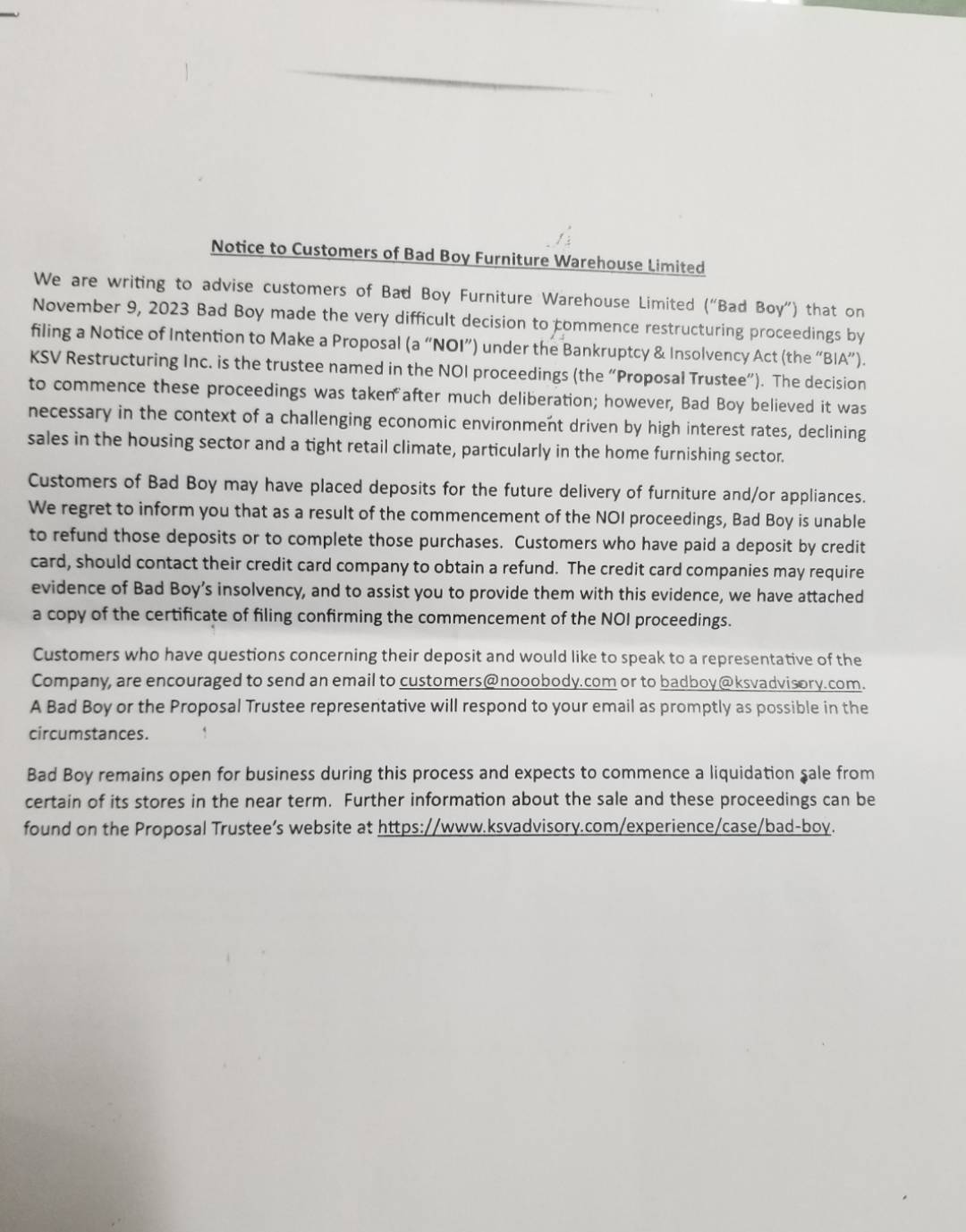
A notice explaining the reason for the closure was posted in store and handed out to customers stating, “Bad Boy believed it was necessary in the context of a challenging and economic environment driven by high-interest rates, declining sales in the housing sector and a tight retail climate, particularly in the home furnishing sector.”
It was unfortunate news for customers who had made cash or debit deposits for upcoming furniture or appliance deliveries.
“We regret to inform you that as a result of the commencement of the NOI proceedings Bad Boy is unable to refund those deposits or complete those purchases,” the message said.
Individuals who made a deposit or purchased items with a credit card, were advised to reach out to their credit card company for refund assistance.
Accompanying the notice, customers received an attached copy of the certificate filing confirming the NOI, to serve as evidence if required by banks.
During its bankruptcy proceedings, representatives reportedly failed to contact current clients awaiting deliveries, neglecting to provide notification of the delays or the overall situation.
As of Nov. 11, the website used to monitor delivery progress was abruptly suspended without notice—a sudden cutoff that left customers in the dark and anxious about the status of their orders.
While the main website, badboy.ca, appears functional, attempting to navigate away from the main page redirects users to a message indicating that the service is temporarily unavailable.
Current employees of the company are facing uncertainty amid allegations of potential layoffs. They were reportedly made aware and received the same notice at the beginning of their shift today.
During this time Bad Boy will remain open for business and expects to commence a liquidation sale from certain stores.
My dad is on the farthest right of this photo taken in NYC at Leon's and Eddie's Bar. Thanks to my sister Pat for sending it to me.


I asked the ChatGPT Robot a couple questions about Oranges:
Why is there a town named Orangeville in Ontario? Oranges never have grown there.
ChatGPT
The origin of the name "Orangeville" in Ontario, Canada, does not have anything to do with the fruit orange. The town was actually named after William III of Orange, who was King of England, Scotland, and Ireland from 1689 until his death in 1702. William III was a Protestant king, and the town was named in honor of the Dutch House of Orange, which played a significant role in the Glorious Revolution of 1688.
The Glorious Revolution was a pivotal event in English history when King James II of England was overthrown, and William III and his wife Mary II ascended to the throne, leading to the establishment of constitutional monarchy in England.
Therefore, Orangeville was named after a historical and political event, not the fruit orange. The name serves as a commemoration of the historical significance of William III and the House of Orange.
Why did they name the citrus fruit "Orange"?
ChatGPT
The name "orange" for the citrus fruit has an interesting linguistic history. The word "orange" itself has roots in several languages. In Old French, the fruit was called "pomme d'orenge," which means "apple of orange." The Old French word "orenge" came from Old Provençal "auranja," which came from Arabic "nāranj," and ultimately from Sanskrit "nāraṅga."
The sweet orange, Citrus × sinensis, is believed to have originated in Southeast Asia, and its cultivation spread to various parts of the world over centuries. As the fruit spread to different regions, its name underwent changes in different languages and cultures.
The color orange is also named after the fruit. Before the introduction of the orange to Europe, the color was referred to as "geoluhread" in Old English, which means "yellow-red." When the fruit became widely known, the color orange adopted its name from the fruit itself, replacing the earlier term.
So, the citrus fruit was named "orange" based on a combination of its historical linguistic evolution through various languages and cultures, ultimately deriving from Sanskrit and Arabic roots.